

Fly tying is not just a skill—it’s an art form that connects you more deeply to the waters you fish. Among all the materials used in fly tying, one of the most important and often misunderstood components is the hook. Choosing the right hook is critical to the effectiveness of your fly, especially for anglers fishing in diverse American waters. Whether you’re targeting trout in the Rockies or bass in the South, using the correct hook ensures your fly behaves naturally, holds fish effectively, and matches the hatch. How to Choose the Right Hook for Fly Tying for American Anglers.
In this guide, we’ll help you understand how to choose the right hook for fly tying, tailored specifically for American anglers. This blog is brought to you by JN Fishing Product—your trusted source for fly tackle gear and fly tying materials. Visit www.jnfproduct.com or email us at info@jnfproduct.com / jnfishingproduct@gmail.com to explore our full range of hooks and fly tying accessories.
Table of Contents
🎣 Why Hook Selection Matters in Fly Tying
A fly is only as strong as its hook. The hook you choose impacts:
- Hooking success
- Presentation of the fly
- Durability
- Target fish species
American anglers often fish in highly diverse conditions—from cold-water streams to warm-water lakes—so choosing the right hook requires careful consideration of several factors.
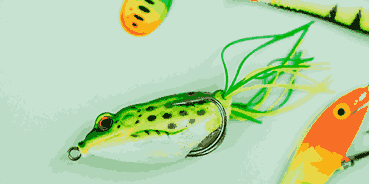
🔍 Types of Hooks Used in Fly Tying
Let’s break down the most common types of hooks used in fly tying:
1. Dry Fly Hooks
These are lightweight hooks designed to keep your fly floating on the water’s surface.
Best For:
- Trout and panfish
- High-floating patterns like Adams or Elk Hair Caddis
Recommended Sizes (US Waters):
- #10 to #18 for trout streams
2. Nymph Hooks
Heavier than dry fly hooks, these are used for subsurface patterns like nymphs and larvae.
Best For:
- Trout, bass, and steelhead
- Patterns like Pheasant Tail Nymph or Hare’s Ear
Recommended Sizes:
- #12 to #18 for trout
- #8 to #10 for bass or larger fish
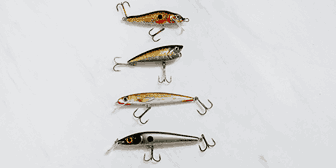
3. Streamer Hooks
Long-shank and sturdy, streamer hooks are built to handle aggressive fish and larger flies.
Best For:
- Bass, pike, and trout
- Woolly Buggers, Zonkers, or Clouser Minnows
Recommended Sizes:
- #4 to #10 for most American freshwater species
4. Scud or Curved Hooks
Perfect for tying flies that mimic grubs, midges, or scuds. The curved shape gives a realistic silhouette.
Best For:
- Stillwater fishing
- Patterns like Shrimp, Scud, and Caddis pupae
5. Saltwater Hooks
These are chemically sharpened, corrosion-resistant, and ultra-strong.
Best For:
- Redfish, snook, tarpon, and bonefish
- Saltwater baitfish patterns
🧠 How to Choose the Right Hook – Key Factors
1. Know Your Target Species
Different fish require different hook strengths and sizes. For example: How to Choose the Right Hook for Fly Tying for American Anglers.
- Trout: Fine-wire, sharp-pointed hooks in smaller sizes (#14–#18)
- Bass: Larger, strong-wire hooks (#6–#10)
- Saltwater Fish: Stainless steel or coated hooks for corrosion resistance
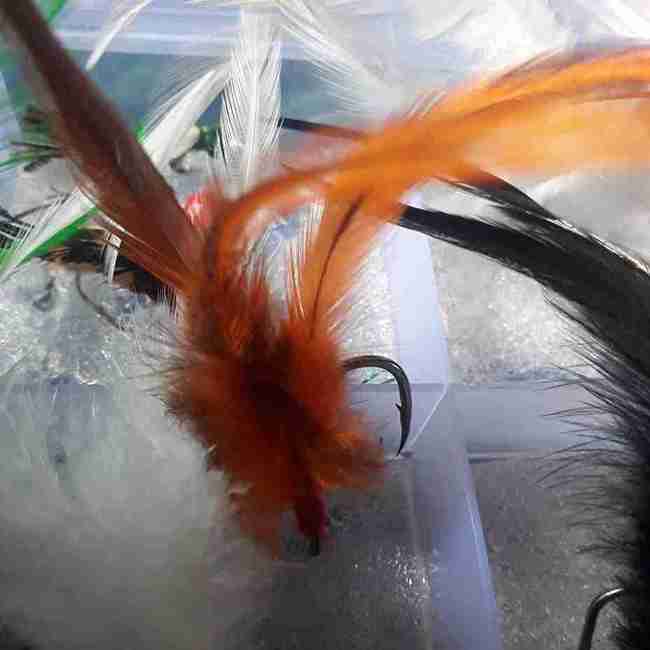
2. Match the Hook to the Fly Pattern
Each fly type requires a specific hook shape.
- Dry flies = lightweight, standard gape
- Nymphs = heavier with a down-eye
- Streamers = long shank, strong bend
Choosing the wrong hook can ruin the fly’s action and cause missed strikes.
3. Consider Hook Gape and Shank Length
- Gape: The distance between the hook point and the shank. Larger gape improves hook-ups but can alter fly profile.
- Shank Length: Impacts the size and shape of the fly. Longer shanks for streamers; shorter for nymphs or emergers.
4. Barbed vs. Barbless
Many states in the U.S. now encourage or mandate the use of barbless hooks for conservation.
Barbless hooks reduce harm to fish and make releasing them easier—especially important for catch-and-release anglers. How to Choose the Right Hook for Fly Tying for American Anglers.
5. Quality Matters
Cheap hooks can bend or break under pressure. At JN Fishing Product, we supply high-carbon steel, chemically sharpened hooks suitable for both freshwater and saltwater fly tying. We offer both bulk and retail options. How to Choose the Right Hook for Fly Tying for American Anglers
🛍 Where to Buy Quality Fly Tying Hooks Online
You can find the perfect fly tying hooks for every species and water condition at JN Fishing Product. We ship across the U.S. and globally.
Why buy from us?
- ✅ Durable, rust-resistant hooks
- ✅ Huge selection by size and pattern
- ✅ Great prices for bulk or wholesale buyers
- ✅ Excellent customer support
📧 Email us at info@jnfproduct.com or jnfishingproduct@gmail.com to place an order or ask for advice!
🧵 Pro Tips for American Anglers
- Start with versatile hook sizes like #12 and #14, ideal for many trout patterns.
- Always de-barb hooks if fishing in regulated waters.
- Use a magnifier or fly hook gauge when tying small patterns.
- Organize hooks by size and type in labeled fly boxes to save time.
💬 Frequently Asked Questions
Q: Can I use the same hook for dry flies and nymphs?
A: Technically yes, but it’s best to use specific hooks for each. Dry fly hooks are lighter, while nymph hooks are heavier and more durable for subsurface use.
Q: What’s the best hook size for trout in American rivers?
A: Common sizes include #12 to #18 depending on the hatch and river. Smaller sizes often perform better in clear, pressured waters.
Q: Where can I buy fly tying hooks in bulk in the USA?
A: Visit www.jnfproduct.com or email us for bulk pricing and fast shipping across the U.S.
Q: What is the difference between a standard and a curved hook in fly tying?
A: A standard hook has a straight shank and is used for most dry flies and nymphs. A curved hook mimics natural insect shapes like scuds, caddis pupae, and emergers, giving your fly a more lifelike presentation.
Certainly! Here are some additional Frequently Asked Questions (FAQs) that you can include in your blog post “How to Choose the Right Hook for Fly Tying for American Anglers”:
Q: Are there specific hooks for saltwater vs freshwater fly fishing?
A: Yes. Saltwater hooks are corrosion-resistant and stronger to handle powerful fish like redfish or tarpon. Freshwater hooks are usually lighter and designed for species like trout or bass.
Q: How do I know what hook size to use?
A: Hook size depends on the fly pattern and the fish you’re targeting. Smaller flies (like midges) require #18–#22 hooks, while streamers or bass flies might use #2–#8 hooks.
Q: Can I tie multiple fly types on one hook style?
A: Some versatile hooks can be used for various patterns, but it’s best to use specific hook styles tailored for dry flies, nymphs, streamers, or emergers to achieve realistic action and proportions.
Q: Should beginners start with barbed or barbless hooks?
A: Barbless hooks are easier to work with and safer for both anglers and fish. They’re recommended for beginners and are often required in many U.S. catch-and-release waters.
🎯 Final Thoughts
Choosing the right hook is one of the most important decisions in fly tying. For American anglers, it means understanding the water you’re fishing, the species you’re targeting, and the flies you plan to tie. With a bit of guidance and the right tools, you’ll not only tie more effective flies but also catch more fish. How to Choose the Right Hook for Fly Tying for American Anglers.
Whether you’re a weekend hobbyist or a serious fly tyer, JN Fishing Product is here to support your journey. Explore our wide selection of hooks, feathers, threads, and tools tailored for American waters.
📞 Contact Us Today
Website: www.jnfproduct.com
Email: info@jnfproduct.com / jnfishingproduct@gmail.com
Social: Available on Facebook, Instagram & WhatsApp


Scratch cards always feel like a little burst of optimism, don’t they? It’s fun to chase that win! Speaking of easy fun, I checked out boss jili and their signup process looks super streamlined – instant access to games like those “Golden Dragon” slots! ✨