Fly tying is one of the most rewarding skills for any fly fishing enthusiast. Not only does it save money, but it also allows you to customize flies based on fish species, water conditions, and personal creativity. If you are new and wondering how to start fly tying at home, this complete beginner’s guide will walk you through everything step by step.
Whether you want fly tying as a hobby or plan to take it seriously, this guide will help you start confidently with minimal investment. How to Start Fly Tying at Home: A Complete Beginner’s Guide.
Table of Contents
What Is Fly Tying?
Fly tying is the art of creating artificial fishing flies using feathers, threads, hooks, and other materials. These flies imitate insects, baitfish, or other food that fish naturally feed on.
Many professional anglers prefer handmade flies because:
- They perform better than mass-produced flies
- They can be customized
- They are cost-effective in the long run
Why Should You Start Fly Tying at Home?
Starting fly tying at home has many benefits:
🎣 Cost Savings
Buying ready-made flies regularly can be expensive. Tying your own flies significantly reduces cost.
🎨 Creativity & Customization
You can design flies based on:
- Local fish species
- Water clarity
- Seasonal insect patterns
🧠 Skill Development
Fly tying improves patience, hand-eye coordination, and focus.
🏡 Convenient Hobby
You don’t need a big workshop. A small table at home is enough.
Basic Fly Tying Tools You Need (Beginner Setup)
To start fly tying at home, you only need a few essential tools.
1. Fly Tying Vise
A vise holds the hook firmly while you tie the fly. Beginners should start with a basic rotary or fixed vise.
2. Bobbin Holder
This tool holds the thread spool and helps maintain tension while wrapping thread.
3. Scissors
A sharp, fine-tip scissor is essential for trimming feathers and thread neatly.
4. Hackle Pliers
Used to grip and wrap feathers around the hook.
5. Bodkin or Needle Tool
Helpful for applying head cement and clearing hook eyes.
👉 Tip: Start with basic tools. You can upgrade later as your skills improve.

Essential Fly Tying Materials for Beginners
Once you have tools, the next step is choosing materials.
🪝 Hooks
Start with standard dry fly and nymph hooks in sizes 10–16.
🧵 Thread
Fly tying thread is available in different thicknesses and colors. Black and olive are great for beginners.
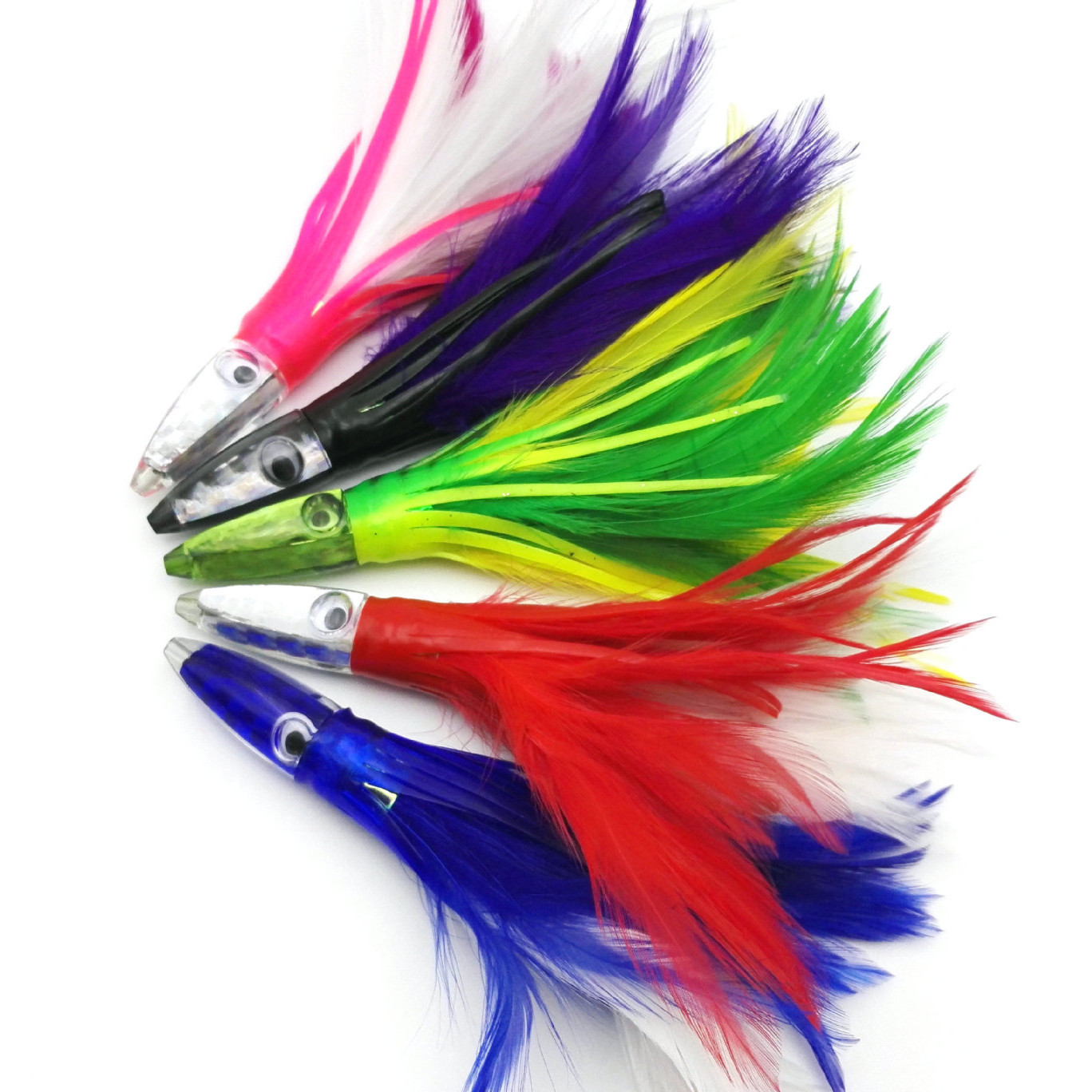
🪶 Feathers
Common beginner feathers include:
- Hackle feathers
- Marabou feathers
- Peacock herl
🐿️ Fur & Dubbing
Used for bodies of nymphs and wet flies.
🧪 Head Cement or Glue
Secures thread wraps and improves durability. How to Start Fly Tying at Home: A Simple and Beginner-Friendly Guide.
High-quality materials make fly tying easier and improve fly performance.
Setting Up Your Fly Tying Workspace at Home
You don’t need a large area to start fly tying at home. How to Start Fly Tying at Home: A Complete Beginner’s Guide.
Ideal Setup:
- A small desk or table
- Bright desk lamp
- Comfortable chair
- Storage box for materials
Keep your workspace clean and organized. This helps improve tying quality and saves time.
How to Start Fly Tying at Home: A Complete Beginner’s Guide.
Step-by-Step: How to Start Fly Tying at Home
Step 1: Learn Basic Fly Types
Start with simple patterns like:
- Woolly Bugger
- Elk Hair Caddis
- Pheasant Tail Nymph
- Hare’s Ear Nymph
These patterns teach essential techniques.
How to Start Fly Tying at Home: A Complete Beginner’s Guide.
Step 2: Practice Thread Control
Thread control is the foundation of fly tying. Practice:
- Starting the thread
- Even wraps
- Securing materials properly
Step 3: Follow Simple Patterns
Use beginner tutorials and tie the same pattern multiple times. Improvement comes with repetition. How to Start Fly Tying at Home: A Simple and Beginner-Friendly Guide .
Step 4: Focus on Proportion
Good flies are about balance:
- Hook shank length
- Wing size
- Body thickness
Avoid overcrowding the hook.

Step 5: Test and Improve
Fish with your flies or inspect them closely. Note what works and improve the next one.
Common Mistakes Beginners Should Avoid
🚫 Using too many materials
🚫 Buying unnecessary tools early
🚫 Poor thread tension
🚫 Not securing materials properly
🚫 Expecting perfection immediately
Fly tying is a skill that improves with patience.
How to Start Fly Tying at Home: A Complete Beginner’s Guide.
How Much Does It Cost to Start Fly Tying at Home?
A beginner fly tying setup typically costs:
| Item | Estimated Cost |
|---|---|
| Tools | Low to moderate |
| Materials | Affordable |
| Vise | One-time investment |
Overall, fly tying is cheaper long-term compared to buying flies regularly.
How Long Does It Take to Learn Fly Tying?
- Basic flies: 1–2 weeks
- Consistent quality: 1–2 months
- Advanced patterns: Ongoing learning
Consistency is more important than speed.
Can You Turn Fly Tying Into a Business?
Yes. Many fly tiers start as hobbyists and later sell flies or materials.
If you’re interested in:
- Bulk fly tying materials
- Professional fly tying tools
- Export-quality fly fishing accessories
You should work with a trusted supplier.
Why Choose Quality Fly Tying Materials?
Better materials mean:
- Stronger flies
- Better fish attraction
- Longer fly life
Low-quality materials break easily and waste time.
How to Start Fly Tying at Home: A Complete Beginner’s Guide.
Trusted Fly Tying Materials Supplier – JN Fishing Product
JN Fishing Product is a reliable supplier of fly fishing and fly tying materials for beginners and professionals.
Why Choose Us?
✔ Export-quality fly tying materials
✔ Wide range of feathers, hooks & accessories
✔ Suitable for home fly tying beginners
✔ Trusted by domestic & international buyers
🌐 Website: www.jnfproduct.com
📧 Email: info@jnfproduct.com | jnfishingproduct@gmail.com
If you want to start fly tying at home with confidence, choosing the right materials is the first step.
Final Thoughts
Learning how to start fly tying at home is an exciting journey. With basic tools, quality materials, and regular practice, anyone can master this skill. Start small, stay patient, and enjoy the creativity that fly tying offers. How to Start Fly Tying at Home: A Complete Beginner’s Guide.
Fly tying is not just about fishing—it’s about craftsmanship, learning, and satisfaction.